Here’s the conversation we have constantly with business owners who are stuck on marketing. They’ve been “working on it” for months. They’re researching platforms, comparing tools, building spreadsheets, waiting for the rebrand to finish, waiting for the new headshots, waiting for the right time to launch the new campaign.
And in the meantime? Nothing is running. Nothing is being tested. No leads are coming in. The clock is ticking and the plan is still a plan.
The problem isn’t lack of effort. It’s the wrong mental model. They’re trying to do everything at once — build a perfect foundation, launch a full paid media strategy, nail the content, lock in the SEO — all before pushing anything live. That’s not a marketing strategy. That’s trying to boil the ocean.
"Going from zero to great in one move is not a strategy. It's a fantasy. And it's the reason most businesses never actually launch."
The Waterfall Problem
In software development, there’s a concept called waterfall — a methodology where you plan everything upfront, build everything in sequence, and only ship at the very end after every piece is “done.” It was the industry standard for decades. It was also the reason projects took years to ship, cost twice the budget, and often built something nobody wanted by the time it launched.
Agile replaced waterfall for a reason. Instead of planning everything and shipping once, agile teams ship small iterations, gather real feedback, and improve continuously. The thing they ship first isn’t perfect. It doesn’t have to be. It has to be functional enough to learn from.
Most businesses run their marketing like waterfall. They plan everything upfront — every channel, every campaign, every piece of content — and then try to execute it all simultaneously before anything goes live. When it inevitably stalls out, they push the timeline again. Or they abandon it and start over with a new plan.
The fix is to think about marketing the same way a smart software team thinks about product development: ship something, learn from it, improve it, ship something better.
- Plan everything before launching anything
- Wait for the website to be perfect
- Wait for the brand to be finalized
- Wait for budget approval on the full campaign
- Six months pass. Still nothing is live.
- Launch — then discover what you built doesn’t convert
- Launch something functional now
- Run one channel before trying to run five
- Collect real data from real customers
- Improve based on what you learn
- Add complexity as the system earns it
- Momentum builds on momentum
Get Going, Get Good, Get Great
This is the framework we use at EVANCED — and it’s directly borrowed from the agile mindset. Three stages, each building on the last. The only rule is that you cannot skip one.
Get Going — Ship the Minimum Viable Version
Pick one thing and launch it. Not ten things. One. A landing page. One ad campaign. One email sequence. One channel where your ideal customer actually spends time. It doesn’t have to be beautiful. It has to be live.
The goal at this stage is not results. The goal is motion. A business in motion generates data. Data tells you what to do next. A business still planning generates nothing — and learns nothing.
Your MVP doesn’t need to win. It needs to start. You can’t steer a parked car.
Get Good — Learn, Iterate, Improve
Once something is running, you start paying attention. What’s the click-through rate? Are people reading past the first paragraph? Is the phone ringing — and from the right kind of person? Is the ad spending but not converting?
This is where most businesses either stall or get impatient. They want to immediately add more channels, more campaigns, more complexity. Resist that. Get good at the one thing that’s running before you try to do five things at once.
Good is not glamorous. It’s a better headline. A different call to action. A landing page rewrite. Tighter audience targeting. Changing the send time on an email. Small iterations that compound. This is the work that separates businesses that get traction from ones that stay stuck.
Get Great — Systematize and Scale
Great isn’t a destination you arrive at. It’s a state you maintain by having a system that runs, learns, and improves without requiring heroic effort every week. At Stage 3, the process is defined, the team knows their role, the tools are integrated, and the marketing is genuinely working as a growth engine — not a series of one-off campaigns.
You know your cost per lead. You know which channels generate your best customers. You know your conversion rates at each stage of the funnel. You’re not guessing — you’re optimizing. And you’re adding sophistication (more channels, more automation, more advanced targeting) because the foundation has earned it, not because it looks exciting.
Most businesses never get here — not because it’s unreachable, but because they tried to start here. They went straight for great before they ever really got going. The irony is that the fastest path to great runs directly through going and good.
Why the Shortcut Always Takes Longer
Every business that has tried to go from zero to great in one move has the same story. They spend six months planning, building, and preparing a perfect launch. They push it live. It doesn’t perform the way they expected. They don’t know why — because they have no baseline to compare it against, no prior data to learn from. So they either do it again from scratch or they give up on marketing entirely.
The business that started small, got something live, tested it, improved it, and kept going? They’ve been generating leads for four of those six months. Their cost per lead is dropping because they’ve been learning. Their team knows what works. They’re already at Stage 2 while the perfect-launch business is still at the planning board.
Done is better than perfect. Shipped is better than planned. Moving beats waiting, every time.
- Is there something in your marketing you’ve been “working on” for more than 60 days that still isn’t live?
- Are you waiting for something to be perfect before you launch it?
- Are you trying to run five marketing channels when you haven’t gotten good at one yet?
- Could you ship a minimum viable version of your next campaign this week — even if it’s not finished?
- Is your team spending more time planning marketing than actually doing it?
Where EVANCED Comes In
We’re not going to hand you a 40-page marketing plan and wish you luck. That’s the waterfall approach, and it produces beautiful documents that don’t generate leads.
When we work with a business, we start by figuring out what the fastest, smartest “Get Going” move is — the minimum viable version of your marketing strategy that gets something live, generating data, and building momentum. From there, we build toward good and great together, in iterations, with real feedback from real results.
That might mean a single Google Ads campaign before we touch anything else. It might mean cleaning up your local SEO presence and getting your Google Business Profile working before you spend a dollar on ads. It might mean one email sequence before you build a full nurture funnel. The right starting point depends on where you are — not on what sounds most impressive in a proposal.
If you’re ready to stop planning and start moving, let’s talk. The best time to get going was six months ago. The second best time is today.
Stop Planning. Start Moving.
We’ll help you find the fastest, smartest first move — and build from there. No 40-page plan. No waiting for perfect. Just momentum.
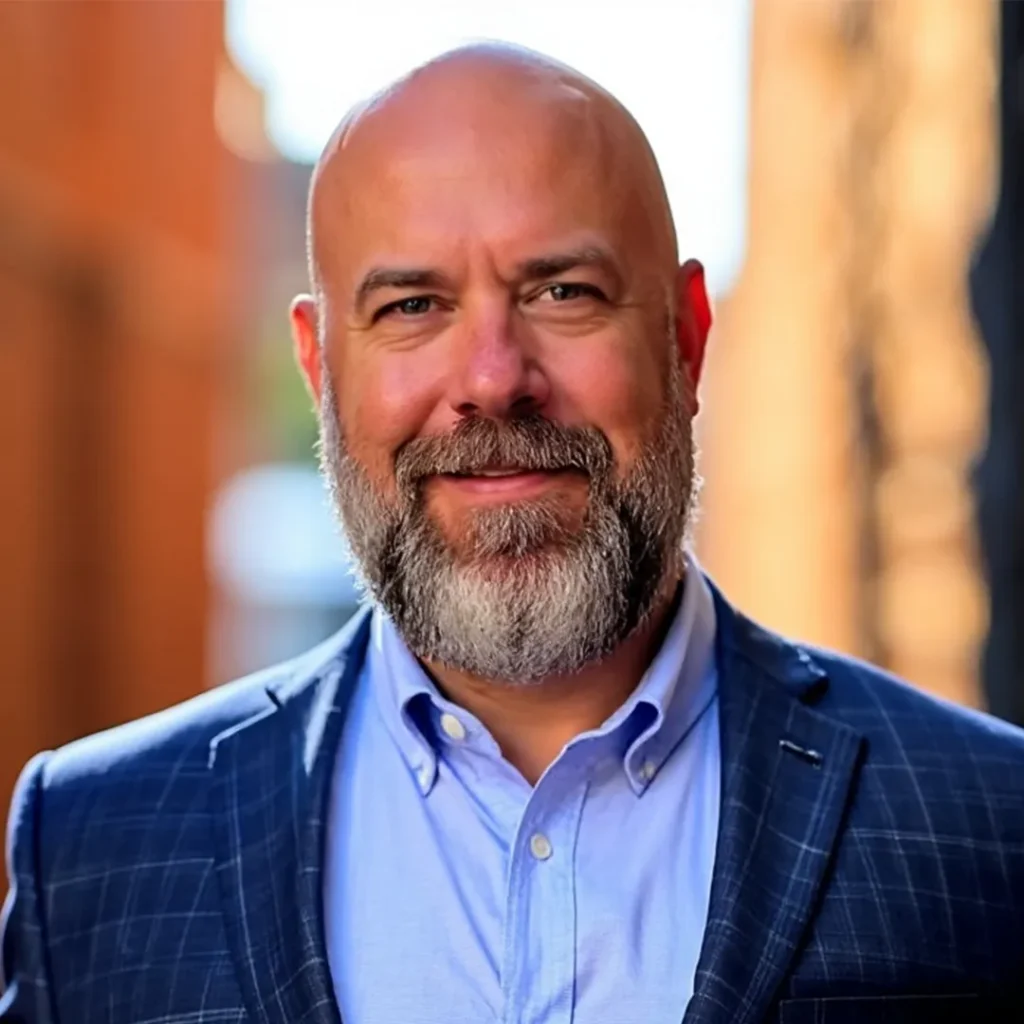
ABOUT THE AUTHOR
Grant Carmichael
Founder & Chief Strategist, EVANCED · MBA, CISSP, GCSA · Google Certified Partner
Grant has spent 20+ years at the intersection of technology and marketing — helping financial advisors turn their digital presence into a real growth engine. Before founding EVANCED, he held senior roles at Ernst & Young, Northside Hospital, and Floyd Medical Center. Today he leads a team that specializes in brand messaging, high-converting websites, and data-driven marketing for advisory firms. His work has been featured at the Kitces Marketing Summit.